
Honda Genuine Spare Parts Dubai: Why the Wrong Part Sometimes Breaks the Right One
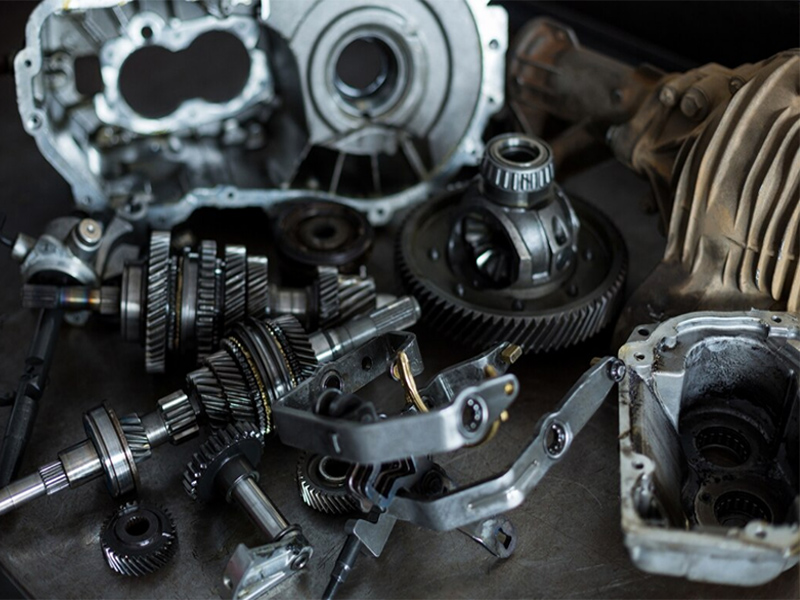
A mechanic replaces a worn brake pad with an aftermarket one that looks close enough. Weeks later, the rotor it was paired with is scored and needs replacing too, even though it was never the part that failed. The car owner assumes the rotor was simply due. What actually happened is that a component built to slightly different tolerances wore down its correctly functioning neighbour. This is a more common story than most people realise, and it is the real argument for Honda Genuine Spare Parts Dubai buyers should understand, not just the usual line about counterfeits.
The Part That Fits Isn’t Always the Part That Belongs
Most aftermarket parts are not fakes in the criminal sense. They are manufactured by companies that never designed the original vehicle, working from measurements and specifications that are close, but not identical, to what the manufacturer engineered. A part can bolt on, look correct, and still behave differently once it is under load, exposed to heat, or working alongside other components built to a tighter standard.
This is where problems compound rather than stay isolated. Brake components are a clear example: a pad manufactured to a different hardness or friction compound wears against the rotor unevenly, shortening the rotor’s life even though the rotor itself was fine. The same logic applies to belts and pulleys, where a slightly mismatched belt tension or diameter puts uneven strain on a pulley system that would otherwise have lasted years. Suspension components follow a similar pattern too. A bushing manufactured from a softer or harder rubber compound than specified changes how load transfers through the mounting point it sits in, which can accelerate wear on metal components that were never designed to absorb that extra stress. A single ill-fitting component rarely fails on its own. It usually takes something else down with it, and by the time the second failure shows up, the connection to the original part is easy to miss entirely.
Genuine Parts Are Engineered as a System, Not a Single Piece
Honda Genuine Spare Parts Dubai dealers and authorised suppliers stock are manufactured to the exact tolerances the vehicle was originally engineered around. That matters less for how a part looks and more for how it behaves alongside everything it touches. A genuine part is built to interact correctly with the components next to it, because it was designed as part of the same system from the start, not reverse-engineered to approximate it afterwards.
This is why a cheaper aftermarket part can sometimes cost more in the long run than the price difference suggests. The upfront saving on the part itself gets erased, and then some, when a second component needs replacing sooner than it should have. A brake job that saves a modest amount on pads can end up costing significantly more once a prematurely worn rotor is added to the bill, along with the labour to fit it. The maths only works in the aftermarket part’s favour if nothing else is affected, and with parts that interact closely under load, that is rarely the case.
The Same Logic Applies Beyond Honda
This isn’t a Honda-specific issue. The same mechanical reality applies to Hyundai Genuine Spare Parts Dubai buyers and Kia Genuine Spare Parts Dubai buyers as well, since the underlying cause is the same regardless of badge: a part manufactured outside the vehicle’s original engineering specification interacting poorly with components that were built to that specification. A Hyundai’s suspension bushing manufactured to a slightly different rubber compound will wear the mounting point around it differently than the genuine part would. A Kia’s aftermarket sensor with a marginally different response tolerance can cause another connected system to overcompensate over time, whether that shows up as uneven fuel delivery, inconsistent transmission shifting, or a warning light that keeps returning after being cleared. Different brands, same underlying pattern, and the same reasoning applies to whichever badge is on the bonnet.
What This Means for Warranty and Resale
There is also a practical, financial dimension to this. Many manufacturer warranties are conditioned on genuine parts being used for repairs during the coverage period, so an aftermarket component fitted during a routine service can complicate or void a claim if something related fails afterwards. This catches people off guard more often than expected, particularly with a car still well within its warranty window, where the owner assumes any competent repair keeps the warranty intact regardless of which parts were used.
Even outside the warranty period, a documented service history using genuine parts tends to matter to a future buyer, since it signals the car was maintained to the standard it was built for, not patched together with whatever fit at the time. In a resale conversation, a folder of receipts showing genuine parts across major services is a stronger signal of care than mileage alone, because it points to consistent decisions made over the life of the car rather than just distance covered.
How to Tell What You’re Actually Getting
Verifying a part is genuine is usually more straightforward than people expect. Genuine parts typically come in manufacturer-branded packaging with a part number that matches what the manufacturer’s parts catalogue lists for that specific vehicle and component. An authorised supplier or dealer will be able to confirm that part number against your vehicle’s specifications before the part goes on. If a workshop cannot tell you the part number being fitted, or is vague about where the part came from, that alone is worth asking more questions about before the work proceeds.
Making the Right Call at the Workshop
The practical takeaway isn’t that every aftermarket part is a problem. Many are perfectly adequate for low-stress components, and there’s little practical difference in fitting an aftermarket cabin air filter, for instance. The issue arises specifically where parts interact closely under load, braking systems, drivetrain components, suspension parts, cooling systems, since that’s where a small tolerance mismatch has somewhere to go, and it usually goes into the part next to it.
Before a repair, it is worth asking directly whether the part being fitted is genuine or aftermarket, and for parts that work closely with other components, treating that answer as more than a price question. A few extra minutes spent confirming the part number can save a second repair bill down the line, along with the inconvenience of a car going back into the workshop sooner than it should.
Choose Parts That Were Built for Your Car, Not Just Compatible With It
If you want components that match your vehicle’s original engineering rather than an approximation of it, Isher Trading supplies genuine Honda, Hyundai, and Kia spare parts across Dubai.
Frequently Asked Questions
Can an aftermarket part really damage a component that wasn’t originally faulty?
Yes. When two parts are designed to work together, a mismatch in tolerance, material, or fit in one part can accelerate wear on the other, even if that second part was in good condition beforehand.
Does this issue apply to all car brands equally?
The underlying mechanical principle applies across brands. Any vehicle where an aftermarket part doesn’t match the manufacturer’s original specification carries a similar risk to neighbouring components.
Will using aftermarket parts void my car’s warranty?
It depends on the manufacturer’s warranty terms and whether the failure is linked to the aftermarket part used. Many warranties require genuine parts for covered repairs, so it is worth checking your specific terms.
Are genuine parts always more expensive than aftermarket alternatives?
Often, yes, upfront. The comparison changes when you factor in the risk of accelerated wear to connected components, potential warranty implications, and resale value.
How can I confirm a part is genuine before it’s fitted?
Ask for the part number and check it against your vehicle’s manufacturer specifications, or confirm directly with an authorised supplier before the work is carried out.
Related Posts
TOYOTA Automotive Parts & Accessories UAE: Why Genuine Components Matter
A Toyota's reputation for reliability…
Audi OEM/Genuine Spare Parts Dubai: A Wholesale Buyer’s Guide to Audi, BMW and Bosch Parts
Every workshop that services Audi…
Honda vs Hyundai Genuine Spare Parts in Dubai: What Wholesale Buyers Need to Know
Two of the most in-demand…